



Electrification is a hot topic in the fleet world. Switching to EV (electric vehicles) involves charging infrastructure concerns, operational hurdles like route planning and charging time, range anxiety, and weather impacts. ICE (internal combustion engine) vehicles bring their own challenges, including environmental effects, rising fuel costs, and higher maintenance costs. This is where hybrid vehicles come into the picture, combining ICE and electric power, offering a good balance between EV and ICE vehicles. Below, we’ll explore hybrid engines and how they can benefit your fleet lineup.
Hybrids Vs. EVs
Hybrids ease many of the common challenges and concerns fleets face with electric vehicles. Let’s go over some of the most common concerns fleet managers have and why hybrids are a good solution.
Vehicle Costs: Hybrids tend to cost less than their EV counterparts.
Range: In hybrids, the combustion engine is always ready to take over when needed. Removing range concerns means fleets don’t have to think about which vehicles to replace with EVs, applicable routes, or charging infrastructure.
Charging: Hybrid electric vehicles (HEVs) don’t require charging infrastructure. Hybrid vehicle propulsion uses two power sources, an internal combustion engine (ICE), and one or more electric motors to move the vehicle more efficiently. The combination allows the vehicle to optimize power delivery, reduce fuel consumption, and lower emissions without requiring charging infrastructure.
Plug-in hybrid electric vehicles (PHEVs) propulsion works much like a regular hybrid, but with a larger capacity battery, a more powerful electric motor, and the ability to plug in for charging.
Hybrids Vs. Gas and Diesel Engines
Hybrids also solve many of the concerns fleets and businesses have about gas- and diesel-powered vehicles.
Emissions: Hybrids produce fewer emissions since they burn less fuel and can run in electric-only mode.
Environmental, Social, and Governance (ESG) goals: Reducing greenhouse gas (GHG) emissions helps businesses make progress on their ESG goals.
Fuel: Although hybrids do use traditional fuels, electric power availability can help reduce fuel consumption and help improve fuel economy.
3 Types of Hybrids and Their Differences
North American fleets typically choose from one of three hybrid types: full hybrid, PHEVs, and mild hybrids. The main differences are battery size, whether they can plug in, how the power sources work together to propel the vehicle, and where the electric motor is located.
Full Hybrid
Power: Full hybrids have a medium-sized electric motor (sometimes two motors), a combustion engine, and a battery. They run on electric power alone at low speeds, use the gas engine alone, or combine both power sources.
Charging: Full hybrids don’t plug in; instead, they charge through regenerative braking and the engine.
Motor location: Full hybrid motors are typically located between the engine and transmission. Some systems also have a second motor on the rear axle where they can deliver direct power to the wheels for all-wheel drive (AWD) variants.
Mild Hybrid
Power: Mild hybrids rely on the smallest electric motor of the three hybrid types. These motors can’t power the vehicle alone but assist the engine and enable start-stop functionality. These systems improve fuel economy modestly but may cost less than full hybrids.
Charging: Mild hybrids do not need to be charged.
Motor location: Mild hybrid motors are typically integrated with the engine as a belt-integrated starter-generator (BISG) or crankshaft-mounted motor, although some designs may place it in between the engine and transmission.
Plug-in Hybrid (PHEV)
Power: PHEVs have larger batteries that can be charged from an external power source, allowing for an extended all-electric driving range (typically 20-50 miles) before the gas engine kicks in. These vehicles have the largest and most powerful electric motors of the three hybrid options.
Charging: PHEVs can charge at home, work, or public charging stations.
Motor location: PHEVs are often placed inline with the transmission or on the front/rear axles. Some have two motors: one on the front axle for primary propulsion and another on the rear axle for electric AWD.
Hybrid Vehicles: Cost-Effective and Low Risk
The first benefit of hybrid vehicles that may come to mind is reduced emissions, but they come with other advantages, too.
Easy adoption: Because hybrids don’t require downtime for charging or revised route planning, fleets can adopt them with fewer operational impacts.
Reliable: There may have been a time when adopting hybrid vehicles felt scary, but now that automakers have offered hybrid drivetrains for more than two decades, hybrid technology has had time to prove reliable.
Easy maintenance: Hybrids have fewer maintenance needs and are easy to service when they do require maintenance. Because of their longevity on the market, parts availability is usually abundant.
Minimal change for drivers: Drivers don’t have to worry about range, and there’s no charging requirement for full or mild hybrids. In fact, hybrid adoption requires minimal driver training, as hybrids are very similar to operate as ICE vehicles, and fueling works the same.
Reduced costs: With a high MPG rating, hybrids can significantly reduce fuel costs. Reduced maintenance needs also may reduce costs, including labor costs for technicians.
Hybrid Technology Continues to Advance
Although hybrid technology is more established than EV technology, automakers continue to make engine advancements. Below are some crucial developments in the hybrid tech world that benefit fleets.
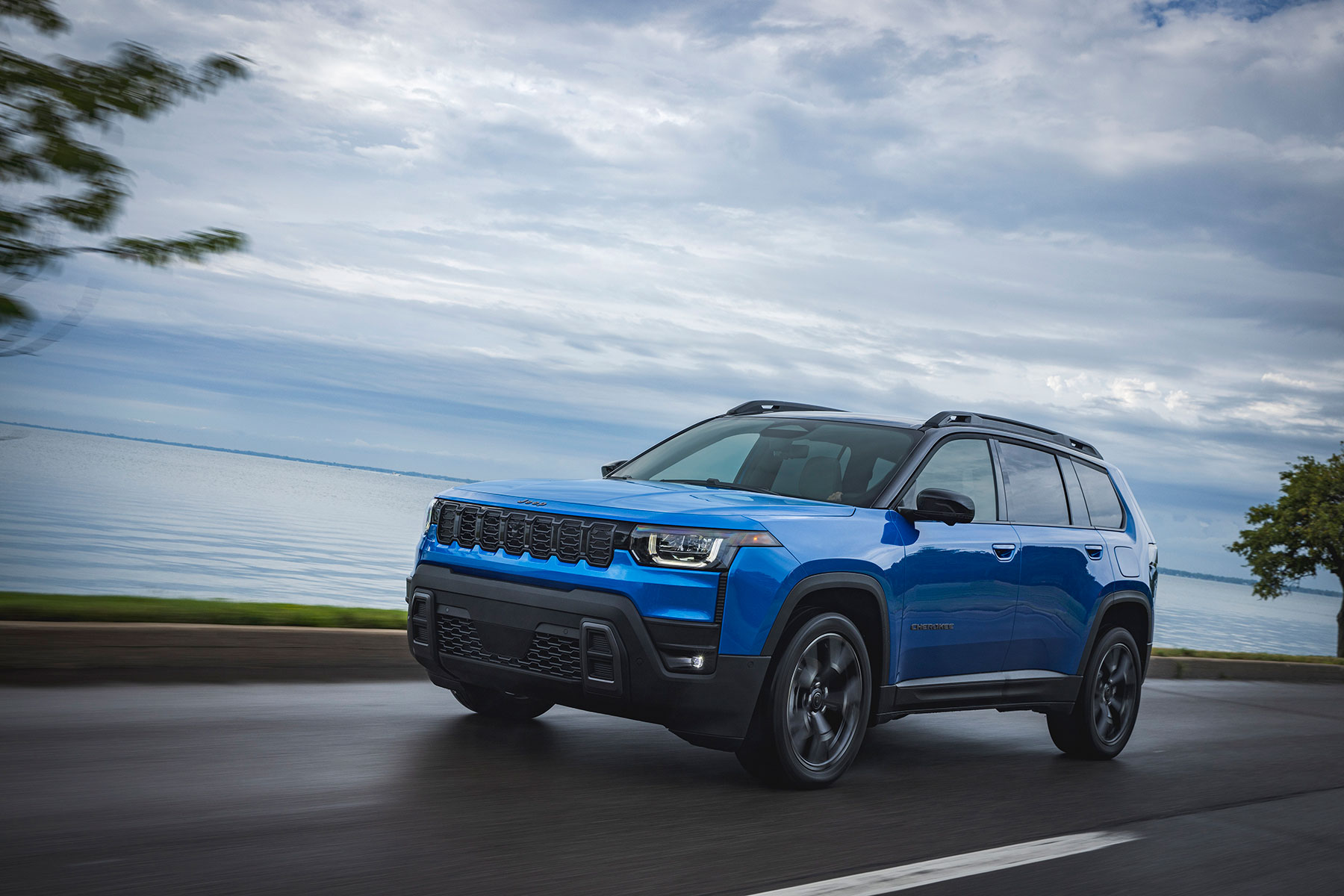
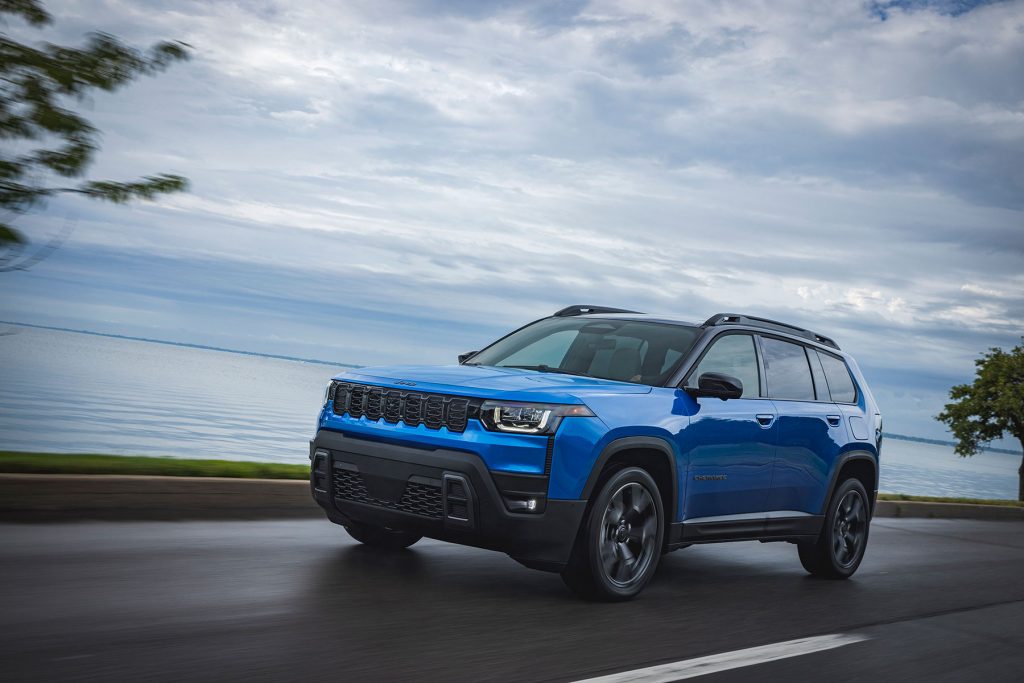
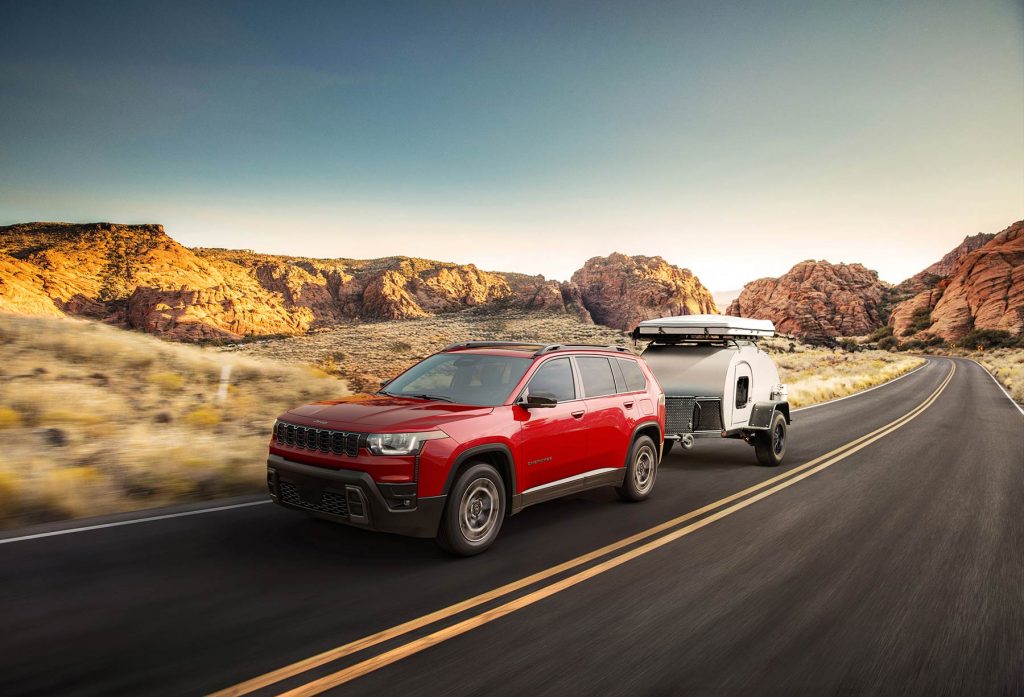
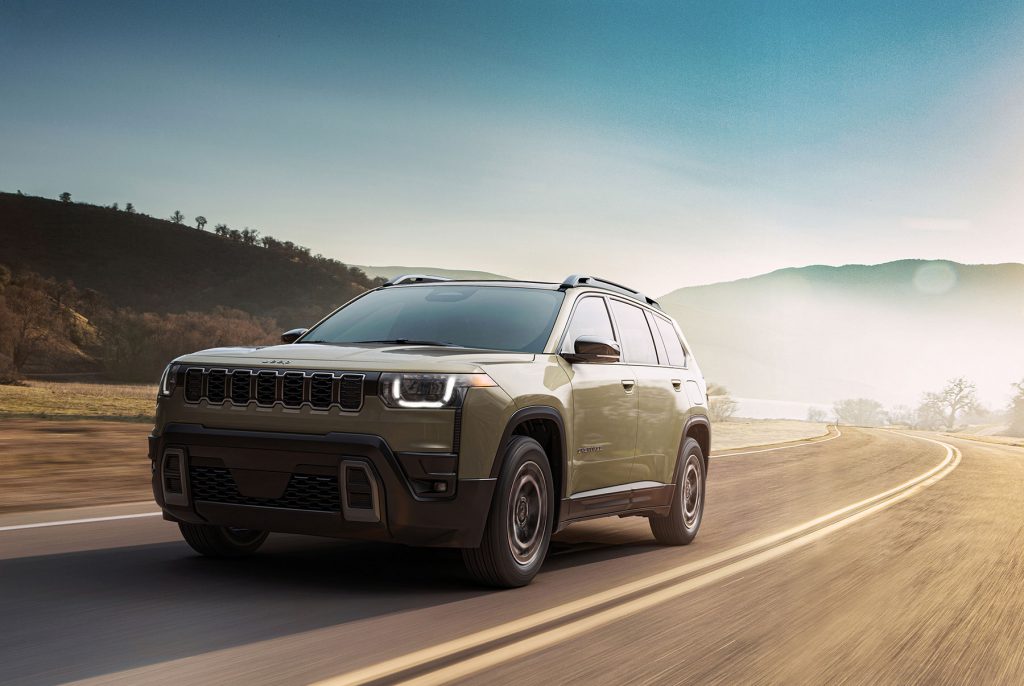
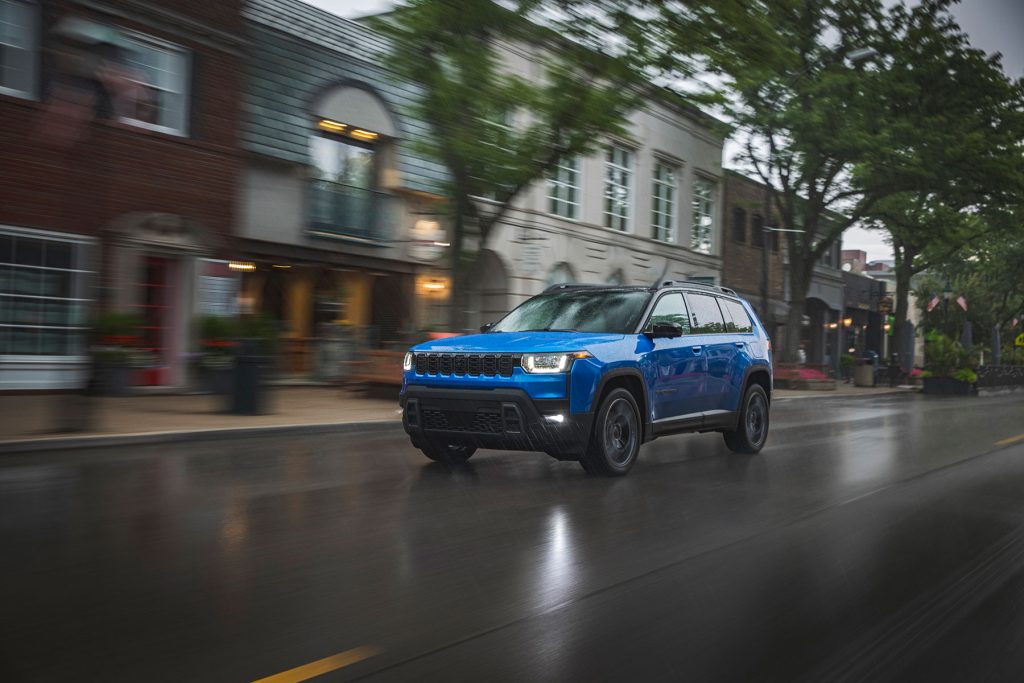
FCA US hybrid powertrain: FCA US introduced a new hybrid powertrain in the 2026 Jeep® Cherokee. It combines a 1.6-liter turbocharged 4-cylinder engine with a two-motor hybrid transmission. The new powertrain delivers an estimated 37 mpg combined city/highway1 driving, 210 hp and over 500 miles of total driving range2 before needing to refuel.
Clutch Transmission (eDCT): eDCT is another advanced hybrid technology that integrates a 21-kW electric motor into a dual-clutch transmission. The motor provides electric propulsion when less torque is needed, like when driving in the city or at constant speeds, allowing the internal combustion engine to remain off for 50% of the time in urban cycles.
Mild hybrids: Mild hybrids use a small electric motor that can’t power the vehicle alone but assists the engine and enables start-stop functionality. The advantage of mild hybrids is their affordability, fuel efficiency, and compatibility with local fuel options.
A Step-By-Step Guide to Incorporating Hybrids in Your Fleet
Although adopting hybrid vehicles is a relatively simple process, thinking through each of the following seven steps can make it even easier.
Step 1: Define Goals
Set clear goals for your business’s adoption of hybrid vehicles. Examples could include reducing fuel consumption by 25% in the first year or reducing CO₂ emissions by 30% over three years.
Step 2: Identify Which Vehicles to Replace
Take inventory of the vehicles you already have, and which ones need replacing first. Many fleets start with vehicles that have predictable routes, high fuel consumption, and start‑and‑stop applications.
Step 3: Select Makes and Models
Choose which vehicles you want to add to your lineup and why. Factors to consider in your selection include:
- Hybrid type (PHEV, full hybrid, or mild hybrid)
- Total cost of ownership (purchase price, fuel savings, maintenance, residual value, etc.)
- Application requirements (payload, range, etc.)
Step 4: Create the Business Case
When developing a proposal for hybrid adoption, include points like estimated annual fuel and maintenance cost reductions, estimated tailpipe emission reductions, tax incentives (if applicable), and charging strategy (if needed for PHEVs).
Step 5: Launch a Pilot
Start with a small number of vehicles for your first pilot and collect data on fuel economy, uptime, driver satisfaction, and emissions metrics to compare their performance with their ICE counterparts in your fleet. Telematics data is helpful for tracking metrics during and after the pilot.
Step 6: Update Maintenance Schedules
Hybrids typically require less maintenance than ICE vehicles, so maintenance schedules and frequency may change across your lineup.
Step 7: Learn and Grow
Adjust your strategy based on lessons learned from the pilot, then add more hybrids to the fleet using your revised strategy. Use insights from hybrid operations (like energy use and duty cycle data) to plan your future EV adoption strategy and timeline.
Are Hybrid Vehicles the Next Step for Your Fleet?
Hybrids give your fleet many of the benefits of electrification—like improved fuel efficiency, lower emissions, and reduced operating costs—without requiring the extensive infrastructure or upfront investment that full electric vehicles require. They’re an ideal solution for businesses that want to take advantage of advanced technology while keeping operations smooth. To explore hybrid options made to fit into your fleet lineup, visit www.stellantisfleet.com.
Disclaimers
1Based on manufacturer’s estimated mpg with a 1.6L I4 engine and an automatic transmission. Actual mileage may vary.
2Based on manufacturer’s-estimated 37 combined city/highway MPG and a 13.7-gallon fuel tank. Range achievable under ideal driving conditions. Actual range may vary and depends on various factors, including but not limited to weather conditions, traffic conditions, driving style, terrain, tire, wheel and additional accessories equipped on the vehicle. For more information, visit www.fueleconomy.gov or contact dealer for more details.